

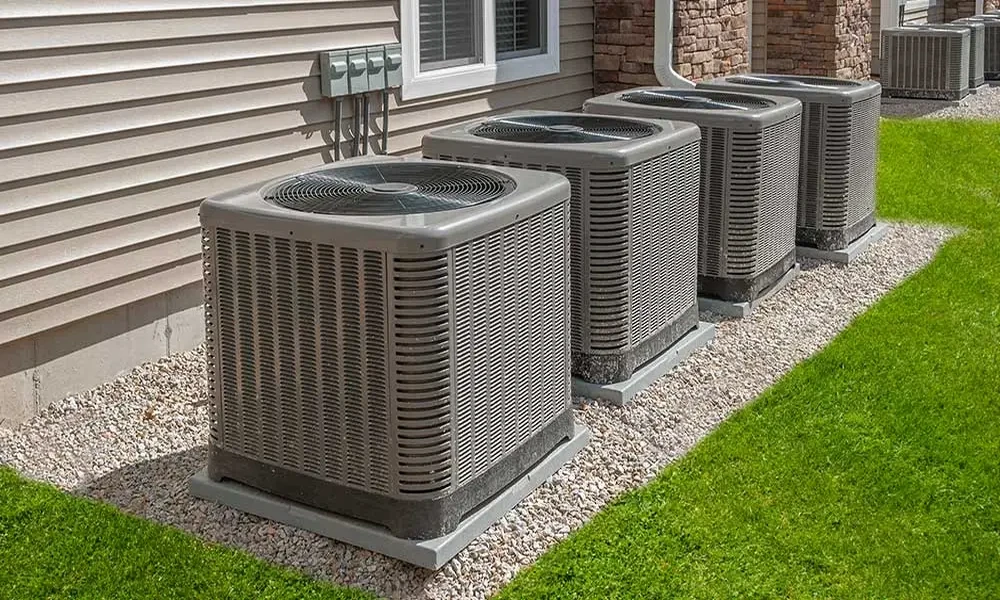
The right residential air conditioning system is a major part of your home. It should have the capacity to keep your home comfortable year-round. There are so many things to take into account that you can end up making the right decision.
The best air conditioning system should keep the entire home comfortably cool in a steady and efficient manner. Read on, so you can learn how to pick the right air conditioning system for your place.
Consider The Size And Layout
Before you choose an air conditioning system, think about the size and layout of your home. A smaller apartment might manage just fine with a compact A/C system. A larger home may need multiple indoor units. Some choose a centralized cooling system. There are other factors that significantly affect this. A trained professional can assess your needs. They would also be able to estimate the appropriate cooling capacity for the room.
Different Types of A/C Systems
Residential air conditioning systems come in several types. It is crucial that you are familiar with the main options.
- Split Systems. These are usually found in homes. They can cool specific spots more quickly. Most times, they come with an indoor unit that’s linked to an outdoor condenser.
- Ducted Systems. This pushes conditioned air through a duct network to different rooms. They can handle whole-home cooling, though the installation is often more extensive and takes more planning.
- Ductless Mini-split Systems. It can be a smart choice when there isn’t already ductwork. They allow homeowners to adjust temperatures in different, separate zones, which can bring better efficiency.
The Right Cooling Capacity
This is essential for overall comfort. This makes your home efficient, too. If the unit is undersized, it may struggle to cool your home. However, if it’s too large, it can keep turning on and off too often, causing the humidity to become unbalanced.
The capacity, usually shown in BTUs, isn’t a one-size-fits-all thing. Having a professional do the proper load calculation helps ensure the sizing is accurate. So, talk to an A/C expert to properly discuss your options.
Consider Energy Efficiency
Energy efficiency should be on your list when you compare air conditioning systems. A unit that’s more efficient may use less electricity yet deliver the same cooling load. So, over time, it can lower your total operating expense. Check the efficiency ratings from the manufacturer. A very efficient system might cost more at first. However, reduced energy use is better.
Plan for Maintenance
Regular maintenance helps the system run more efficiently, so it doesn’t start acting up too soon. The filters should be cleaned or swapped out. Know what the manufacturer recommends. The outdoor unit should be kept clear of debris buildup. You may also want professional servicing occasionally. When maintenance is handled properly, it becomes easier to spot problems early.
Consider Your Budget
The price you pay up front is only part of what it really costs to have an air conditioning system. You’ll want to look at other expenses, too. This includes the ongoing electricity use, maintenance, and future repairs. Make sure that you look beyond the purchase price. Sometimes a cheaper system may seem appealing. However, it may end up costing more over time when it uses more power. So it’s usually smarter to look at long-term value.
Conclusion
The most suitable home air conditioning system should balance the cooling power, energy efficiency, comfort, dependability, and overall expense. Start by looking over what your home actually needs. Make sure you compare the different system types. The goal is to make your living space energy-efficient.
