

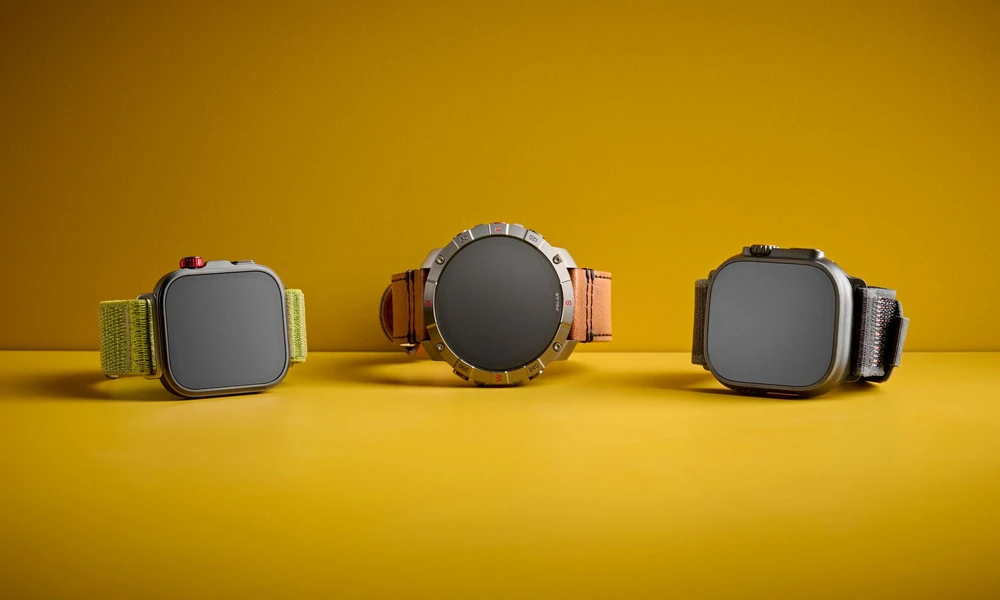
The sight of a rugged smartwatch peeking out from beneath a muddy jacket sleeve is now a familiar one on hiking trails and mountain ridges. While some argue these chunky wrist gadgets are overkill for weekend adventurers, the truth is that rugged smartwatches have evolved into the ultimate companion for anyone who spends time outdoors.
Rugged Smartwatches Are Bulky and Uncomfortable
It is easy to look at the thick bezel and reinforced casing of a rugged smartwatch and assume it is a wrist-bound brick. Size, however, is not vanity here. These devices are built to survive the kind of punishment regular smartwatches would never endure. Drops on granite, days of rain, or the shock of a mountain bike crash call for materials like fiber-reinforced polymer and scratch-resistant glass.
Why Design Prioritizes Durability Over Bulk
Ask any outdoor athlete what matters more: style or survival? Watches in this category are engineered to meet military-grade standards for thermal, shock, and water resistance. The added millimeters are an insurance policy, not a design flaw.
Advances in Ergonomics for Outdoor Wear
Manufacturers have not ignored comfort, though. Modern rugged smartwatches contour to the wrist with silicone bands that flex as you move, and weight distribution is carefully balanced to avoid fatigue. Even with extra armor, you can wear these devices all day without noticing the heft.
They Only Track Basic Fitness Metrics
The early days of smartwatches were all about step counts and heart rates. Now, rugged models have outgrown their basic fitness tracker roots.
Beyond Steps: Advanced Outdoor Activity Tracking
Today’s rugged smartwatches log everything from vertical climb to swimming strokes, and environmental factors like barometric pressure or altitude changes. Some even offer surf-specific modes, tracking wave counts and speed. Whether you are trail running, backcountry skiing, or planning a multi-day trek, your watch is more than a pedometer, it is a survival tool.
Integrated GPS and Navigation Features
Built-in GPS is where rugged smartwatches truly shine. Not only do they record your route, but they also provide real-time navigation, downloadable topographic maps, and back-to-start functionality. On a foggy mountain, this can mean the difference between finding your way and spending the night outdoors. For example, the GSM Depot Garmin smartwatch details page offers a look at devices that combine fitness metrics with robust navigation tools designed for the wild.
Rugged Smartwatches Have Poor Battery Life
The myth of the “dead watch halfway through a hike” was once true, but recent years have turned that stereotype upside down.
Solar Charging and Power Efficiency Innovations
Advances in solar charging allow some models to sip sunlight through their screens, extending battery life by days or even weeks. GPS modes have gotten smarter, using intelligent sampling and low-power chips to conserve every milliamp.
Battery Performance in Extreme Conditions
Cold and heat do a number on regular electronics. Rugged smartwatches are tested for temperature extremes, holding charge far better in minus-20 snowfields or desert heat. Multi-day battery life is now the norm, not the exception, especially with careful power management.
These Watches Are Too Expensive for Casual Users
Sticker shock is real, but value is not just about price, it is about what you get per dollar.
Cost vs. Value: Features That Justify the Price
Rugged smartwatches roll a GPS, fitness tracker, altimeter, barometer, and navigator into one device. What would buying all these separately cost? Add in durability that eliminates expensive repairs or replacements, and the price tag starts to look far more reasonable.
Comparing Rugged Watches to Regular Smartwatches
While mainstream smartwatches might cost less upfront, they often lack advanced mapping, environmental sensors, or real weatherproofing. For outdoor enthusiasts, the higher initial cost is balanced by years of reliable service and a suite of features that go far beyond notifications and steps.
Rugged Smartwatches Are Only for Extreme Adventurers
You do not need to summit Everest to benefit from a rugged smartwatch.
Benefits for Everyday Outdoor Enthusiasts and Hikers
Weekend hikers, urban cyclists, paddleboarders, and dog walkers can all use robust navigation, weather alerts, and health tracking. The peace of mind that comes with knowing your device will not quit mid-adventure is universal.
Versatility Across Different Outdoor Activities
Rugged watches move seamlessly between activities. One day they are logging kayak strokes, the next they are tracking your golf swing or guiding you on a bouldering route. Their adaptability is a huge part of their appeal.
They Are Difficult to Use Due to Complex Interfaces
A device designed for harsh environments must be usable with gloves, wet hands, or no cell signal.
User-Friendly Features Designed for Outdoor Use
Rugged smartwatches often include large, tactile buttons and bright displays that remain readable in sunlight or at night. Menus are streamlined for quick access, no endless scrolling required when the weather turns suddenly.
Customization and Accessibility Options
Many allow you to configure shortcuts, simplify interfaces, or even disable features to preserve battery. Accessibility options like vibration alerts and high-contrast displays mean more people can use them comfortably.
Rugged Smartwatches Don’t Integrate Well with Other Devices
Worried about your outdoor watch becoming an isolated island? Modern rugged smartwatches are surprisingly connected.
Seamless Syncing with Smartphones and Other Tech
Bluetooth and Wi-Fi syncing allow your activity logs, notifications, and even music to flow between devices. You can plan a route on your computer, send it to your watch, and share completed adventures instantly.
Ecosystem Benefits: From Safety to Convenience
Integration goes beyond just syncing. Some models connect to satellite communication devices for emergency SOS, pair with bike sensors, or even control your action camera. The result? A seamless ecosystem that places safety, data, and entertainment right on your wrist.
In the end, rugged smartwatches are not just for hardcore explorers, they are versatile, reliable tools that fit the needs of anyone who wants to stay active, safe, and connected outdoors. For those who want to see how advanced and adaptable these devices have become, checking out resources like the GSM Depot Garmin smartwatch details can be an eye-opening next step.
